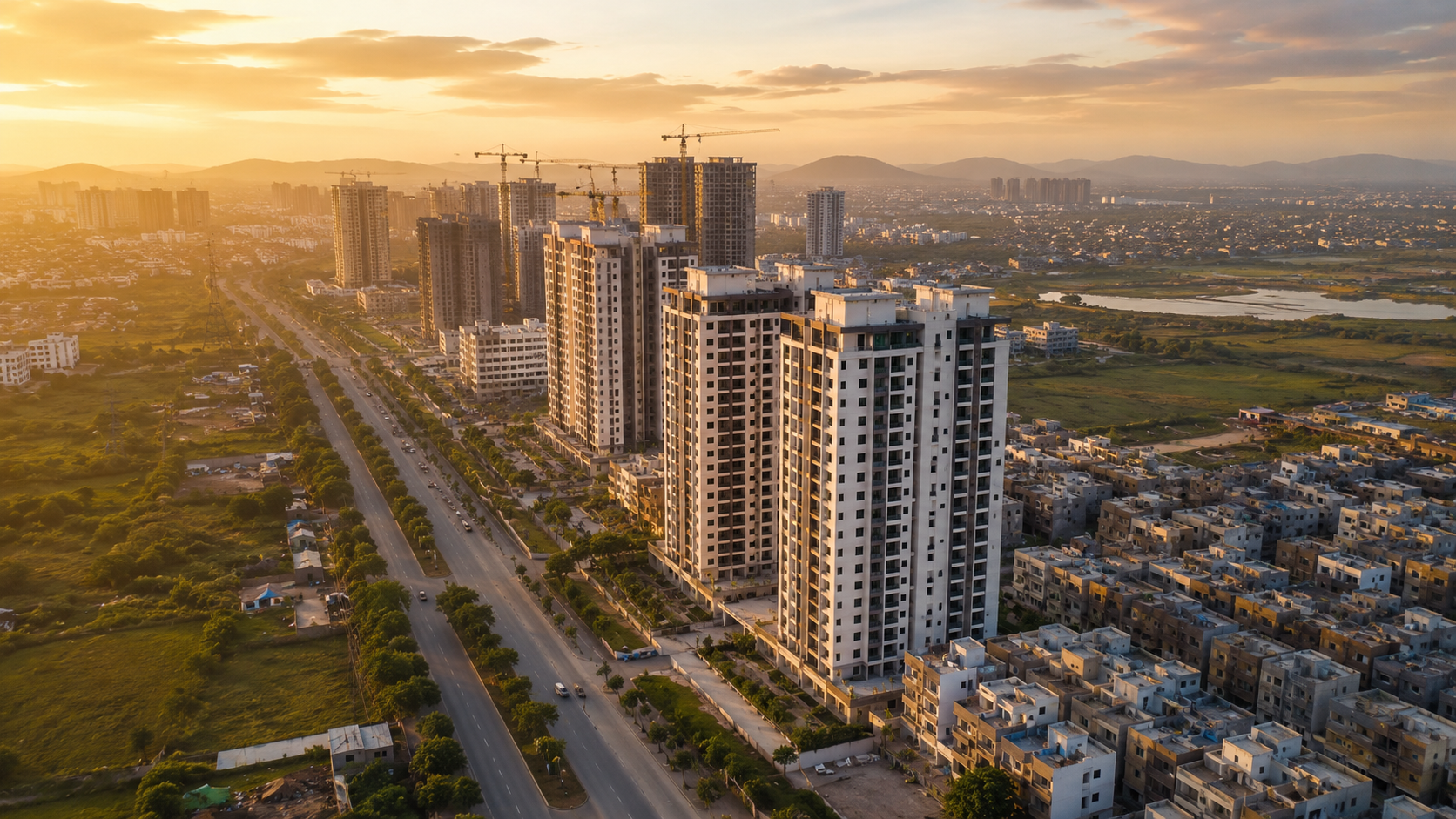
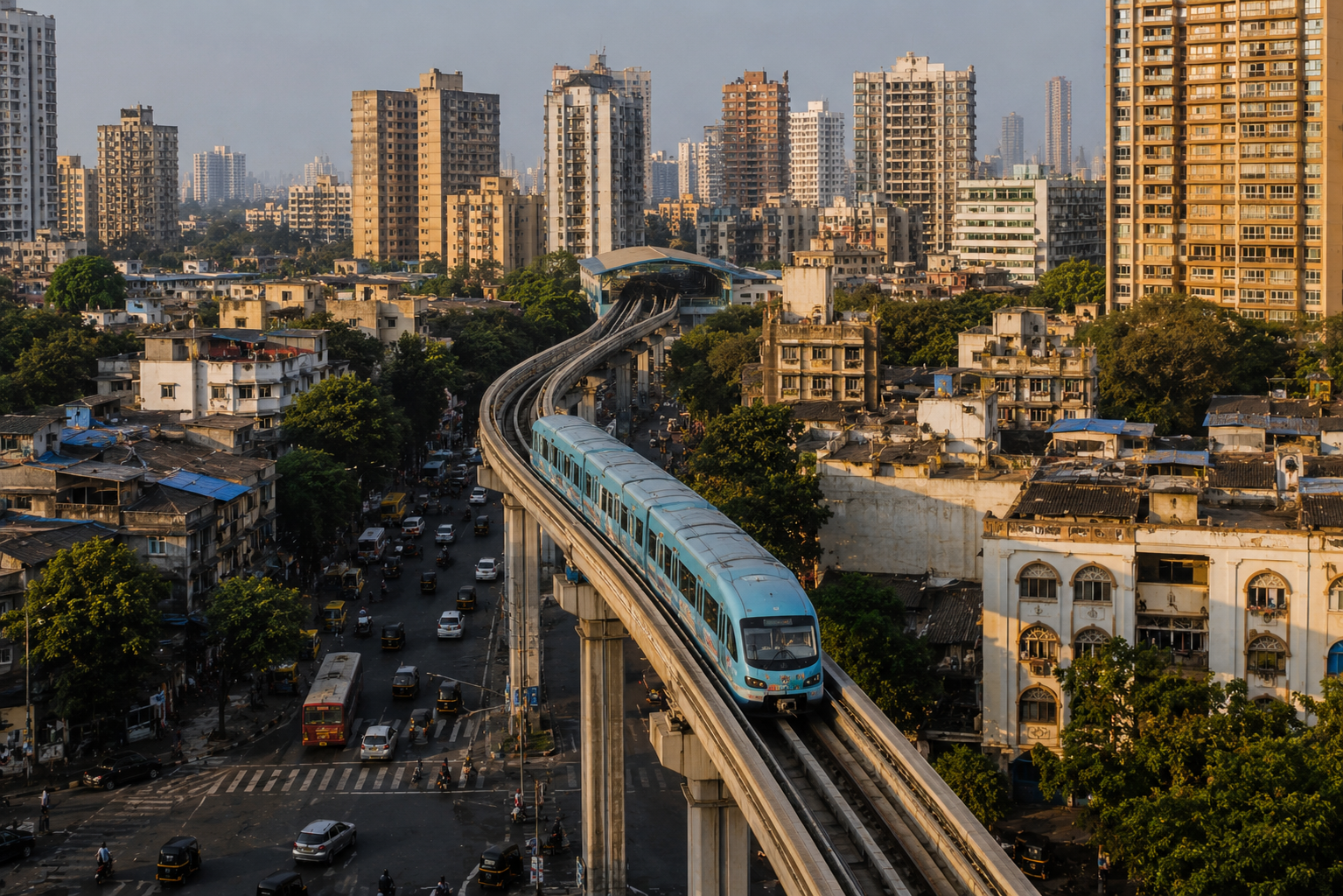
Buying your first home in Mumbai is one of the most significant decisions of your life—financially, emotionally, and practically. The city's real estate market offers enormous opportunity, but navigating it without proper guidance can lead to costly mistakes. This step-by-step guide is designed to walk first-time buyers through every stage of the process: from setting a realistic budget to collecting the keys to your new home.
Step 1: Define Your Budget Realistically
Before exploring properties, establish a clear financial boundary. In Mumbai, the total cost of acquisition extends well beyond the quoted property price. Buyers who overlook ancillary costs often face unpleasant surprises at the registration stage.
- Down payment: typically 10–20% of the property value
- Stamp duty: 5–6% of the agreement value in Maharashtra
- Registration charges: 1% of the agreement value (capped at ₹30,000)
- Home loan processing fees, legal charges, and society deposits
- Interior fit-out budget if purchasing a bare-shell or semi-furnished unit
Pro Tip
Build a contingency buffer of 5–7% above your estimated total cost. Unexpected expenses during purchase and possession are common, and a reserve prevents financial stress at critical moments.
Step 2: Understand Your Home Loan Eligibility
Most first-time buyers finance 70–80% of the property value via a home loan. Your eligibility depends primarily on income, credit score, existing liabilities, and employment stability. Getting pre-approved before you start property hunting gives you a clear budget and stronger negotiating leverage.
- Maintain a CIBIL score above 750 for the most competitive interest rates
- Keep your EMI-to-income ratio below 40–45% for sustainable repayment
- Pre-approve your home loan before shortlisting properties
- Compare offerings from at least three lenders—banks, HFCs, and NBFCs
- First-time buyers may qualify for PMAY subsidies under the Credit Linked Subsidy Scheme
Step 3: Choose the Right Location
Location is the single most important factor in any property decision—for lifestyle today and value tomorrow. When evaluating locations in Mumbai, consider commute time to your workplace, proximity to schools and healthcare, current and planned connectivity (metro, highways), neighbourhood safety and civic infrastructure quality, and the area's long-term appreciation trajectory.
For First-Time Buyers
Emerging micro-markets like Dahisar East, Mira Road, and Panvel typically offer considerably better value than established zones—providing larger homes, modern amenities, and superior planned infrastructure at competitive price points.
Step 4: Evaluate the Developer and Project
In Mumbai's real estate market, the developer's credibility is as important as the property itself. Before committing, conduct thorough due diligence on both the builder and the specific project.
- Verify RERA registration on the MahaRERA website — this is non-negotiable
- Review the developer's track record of completed project deliveries
- Check for any legal disputes or pending litigations on the land title
- Inspect construction quality at site visits — materials, finishes, and layout execution
- Understand the project's Occupancy Certificate (OC) timeline and possession commitments
Step 5: Review the Agreement and Documentation Carefully
The Sale Agreement is the most critical document in your homebuying journey. Review it carefully—ideally with a property lawyer—before signing. Do not rely solely on verbal assurances; everything material must be documented.
- Ensure carpet area (not built-up or super built-up) is specified as the basis of sale
- Verify payment schedule milestones align with actual construction progress
- Check for possession date commitments and penalty clauses for developer delays
- Review maintenance charges, parking allocation, and common area usage rights
- Confirm all promised amenities from the brochure are documented in the agreement
Step 6: Possession and Final Checks
- Conduct a thorough flat inspection before accepting possession
- Verify that the Occupancy Certificate (OC) has been received by the developer
- Ensure all utility connections (water, electricity, gas) are functional
- Check common areas, lifts, and parking structures for completeness
- Register the sale deed at the Sub-Registrar's office within 4 months of execution
Key Takeaway
Buying your first home is a multi-step process that rewards preparation and patience. The buyers who experience the smoothest journeys are those who invest time in due diligence before they commit—not after. Take your time, ask questions, and partner with developers who make transparency a practice, not a promise.
Looking for a home?
Explore properties with Homex
Thoughtfully designed homes in Mumbai's prime locations.